
Visual Identity, Information, Motion Design
Visual Identity, Information, Motion Design
Nov — Dec 2025
Nov — Dec 2025
Figma, Illustrator, Photoshop, After Effects
Figma, Illustrator, Photoshop, After Effects
01
01
THE PROBLEM
THE PROBLEM
Pittsburgh Regional Transit (PRT) lacked a cohesive visual system.
Pittsburgh Regional Transit (PRT) lacked a cohesive visual system.
Pittsburgh Regional Transit (PRT) lacked a cohesive visual system.
Pittsburgh Regional Transit (PRT) lacked a cohesive visual system.
Heehyeon Han - Design Direction, Motion Design
Minjee Jeong - Signage System
Heehyeon Han - Design Direction, Motion Design
Minjee Jeong - Signage System
Heehyeon Han - Design Direction, Motion Design
Minjee Jeong - Signage System
02
02
VISUAL SYSTEM
VISUAL SYSTEM
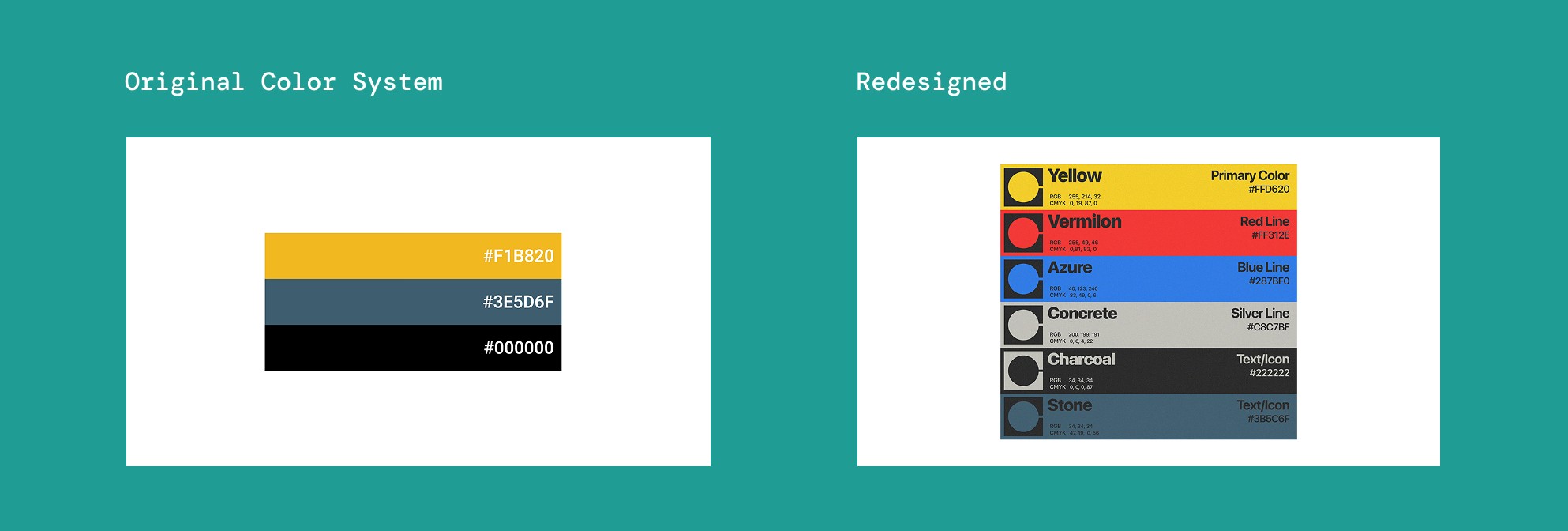
Our team created a cohesive visual system that scales across maps, signs, and station environments.
Our team created a cohesive visual system that scales across maps, signs, and station environments.
Our team created a cohesive visual system that scales across maps, signs, and station environments.
Our team created a cohesive visual system that scales across maps, signs, and station environments.


03
03
SIGN SYSTEM
SIGN SYSTEM
One visual framework allows every sign to feel consistent, regardless of its size, purpose, or location.
One visual framework allows every sign to feel consistent, regardless of its size, purpose, or location.
One visual framework allows every sign to feel consistent, regardless of its size, purpose, or location.
One visual framework allows every sign to feel consistent, regardless of its size, purpose, or location.

04
04
STATION ENVIRONMENT
STATION ENVIRONMENT
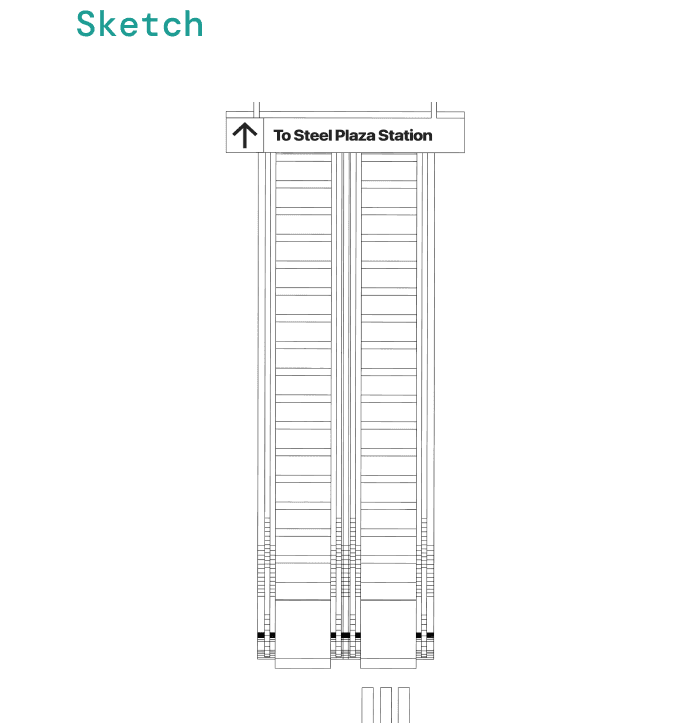
The same visual rules were tested across different scales and viewing distances, ensuring the system remained clear in real environments.
The same visual rules were tested across different scales and viewing distances, ensuring the system remained clear in real environments.
The same visual rules were tested across different scales and viewing distances, ensuring the system remained clear in real environments.
The same visual rules were tested across different scales and viewing distances, ensuring the system remained clear in real environments.




05
05
INFORMATION DESIGN
INFORMATION DESIGN
Information hierarchy was reorganized so riders could identify routes, transfers, and fares with fewer visual decisions.
Information hierarchy was reorganized so riders could identify routes, transfers, and fares with fewer visual decisions.
Information hierarchy was reorganized so riders could identify routes, transfers, and fares with fewer visual decisions.
Information hierarchy was reorganized so riders could identify routes, transfers, and fares with fewer visual decisions.


Before | After
06
06
AR CONCEPT
AR CONCEPT
The physical system remains the primary guide, while AR provides additional context when users need it most.
The physical system remains the primary guide, while AR provides additional context when users need it most.
The physical system remains the primary guide, while AR provides additional context when users need it most.
The physical system remains the primary guide, while AR provides additional context when users need it most.
07
07
DESIGN INSIGHT
DESIGN INSIGHT


